From Anger to Artisan: The Fire Inside Peace Work, with Andrew DeCort
Andrew DeCort captures something I've circled in my work on conflict resolution: the question of what we do with the anger, the urgency, the heat that rises when belonging is in danger.

Did you know there's a fire arts studio about 50 feet from the spot where George Floyd was murdered in Minneapolis? Inside, blacksmiths take hard metal and subject it to extraordinary heat. What comes out is beautiful.
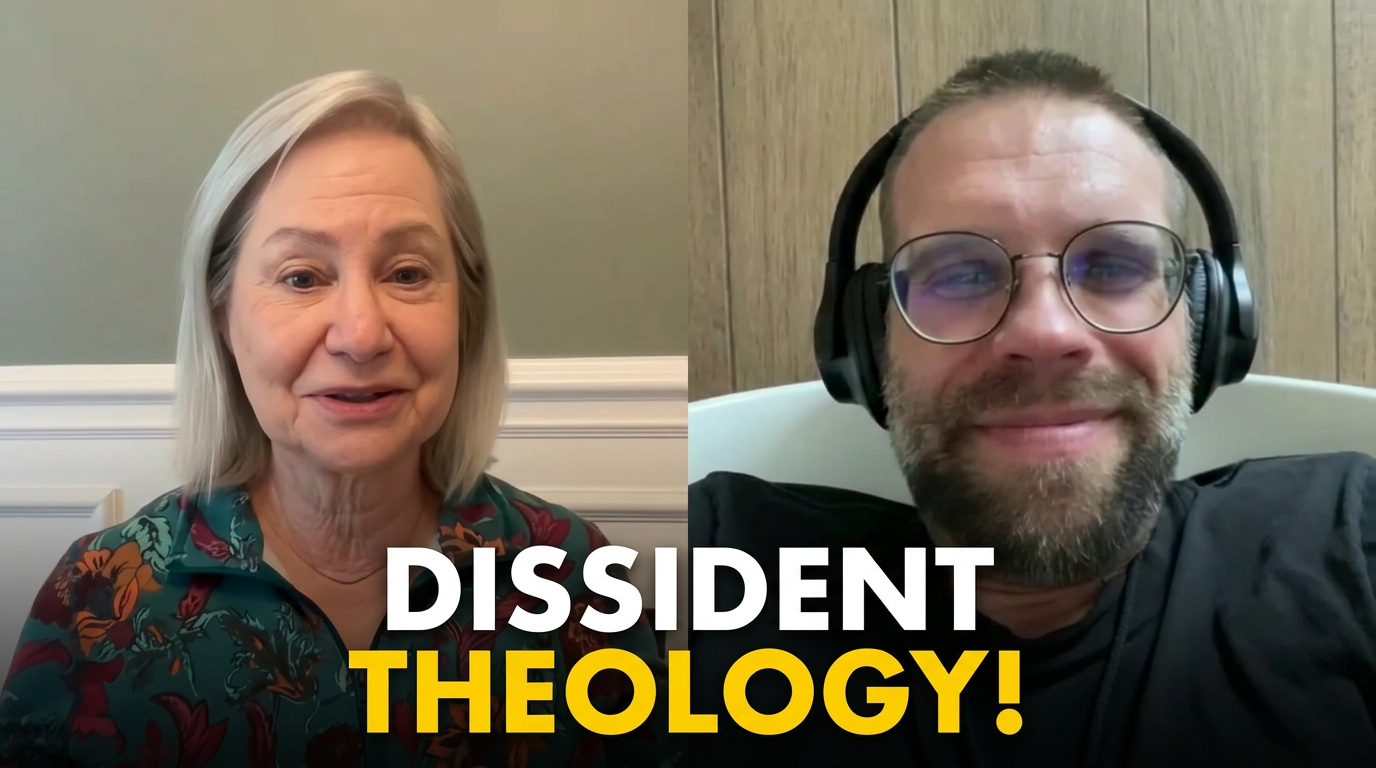
That image is one of many evocative pictures that emerged from my conversation with Andrew DeCort for the newest episode of Third Things First. It captures something I've been circling around for years in my own work with Wicked and conflict resolution: the question of what we do with the fire inside us: the anger, the urgency, the heat that rises when belonging is in danger.
Andrew is a scholar of religious and political ethics with a PhD from the University of Chicago. He’s co-founder of the Neighbor-Love Movement in Ethiopia (which has reached over 20 million people), and the author of a stunning new book, Reviving the Golden Rule. His friends call him a “dissident theologian,” and he lives up to the name: in January, he was arrested alongside 97 other faith leaders during a nonviolent direct action at the Minneapolis-St. Paul airport, protesting ICE enforcement. (ICE subsequently downgraded its presence in Minneapolis. It’s a small victory we should celebrate.)
What made our conversation extraordinary wasn't Andrew’s credentials, or even his very present activism. It was Andrew's willingness to map the emotional terrain of this work with radical honesty.
Here are three things I'm still turning over:
The layers beneath anger. Andrew describes an emotional descent that accompanies the confrontation with injustice: shame sits on top, the message that something is wrong with you. Beneath that is anger, which he compares to fire: “a neutral energy that can warm, purify, illuminate, and make beauty,” as well as destroy. Beneath anger is grief. And beneath grief? … Well, you’ll have to listen to Part 2 of our conversation in 2 weeks to hear more about that!
Speaking FOR anger vs. FROM anger. Drawing on Audre Lorde and therapist Richard Schwartz, Andrew makes this distinction, which I think every person working for justice needs to hear. Our anger is packed with information; the work isn't to suppress it, but to learn what it's telling us. Once we understand this, a world of difference emerges between letting anger speak through us (which often burns things down) and learning to speak on anger’s behalf (which builds something new).
"Moral Emergencies." Andrew defines these as moments when “our shared belonging in society is put under question, is endangered, is occupied, is policed, and even executed.” This language gave me a new framework for understanding why some situations leave me with a “wait and see what happens” feeling, while others drive me right up out of my chair with the feeling that I need to DO something.
One quote for you to chew on:
"Anger is just like a fire. It's a neutral energy. It can warm, it can fuel, it can purify, it can illuminate, it can make beauty... This is our work: learning how to turn towards our anger, to discover the information inside our anger, and then learning how to work with it, like a blacksmith works with a furnace to make something beautiful."
I hope you'll listen. This is the kind of conversation that stays with you.
Watch / Listen:
YouTube: https://www.youtube.com/watch?v=LsGWlatrtAo
Apple Podcasts: https://podcasts.apple.com/us/podcast/the-wicked-truth-third-things-first/id1872146191
Spotify: https://open.spotify.com/show/5g8nVbDX52iQPtyiF60rKR#/
Warmly,
Suzanne
P.S. If this episode resonates, would you share it with one person who might need it? That kind of word-of-mouth is everything for a small podcast like ours.